Dental implants in Melbourne are one option for replacing missing teeth. They are placed surgically in the jawbone and can support a crown, bridge or denture. Creative Smiles provides dental implant assessments at our Armadale clinic for patients across Melbourne.
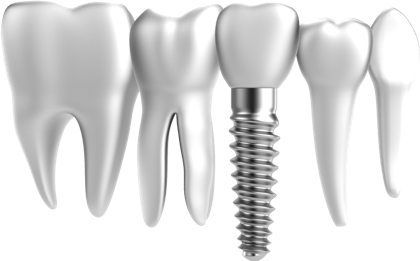
A dental implant is a metal screw, usually titanium, that takes the place of a missing tooth’s root. According to healthdirect, it takes about three months for the bone to grow around the implant, and the implant can then support a crown, bridge or dentures.
An implant needs to integrate with the bone to support the proposed replacement teeth. Healing and outcomes vary, and an implant may fail to integrate or fail later. Your dentist will discuss suitability, surgical risks, alternatives, maintenance and costs before you decide.
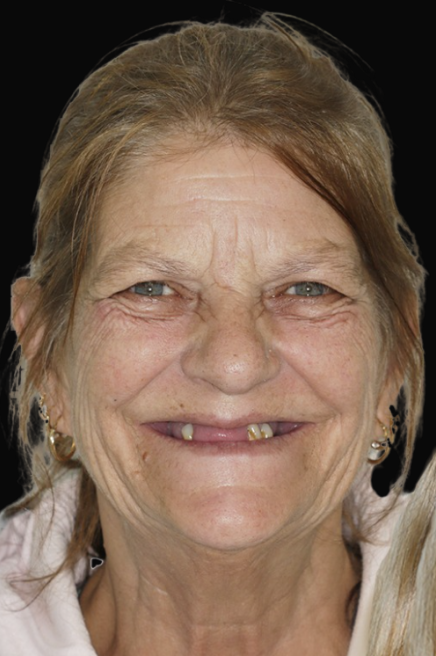
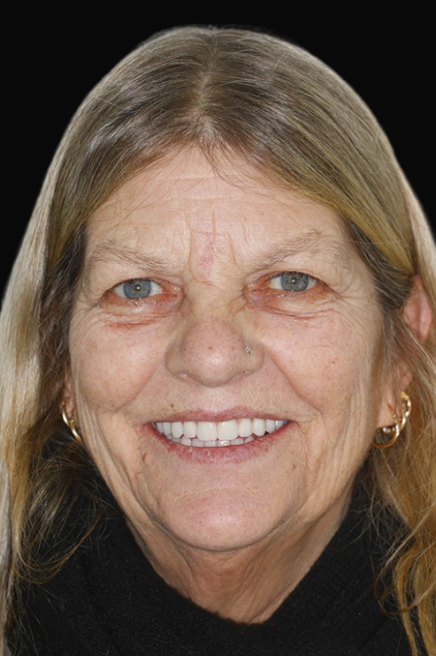
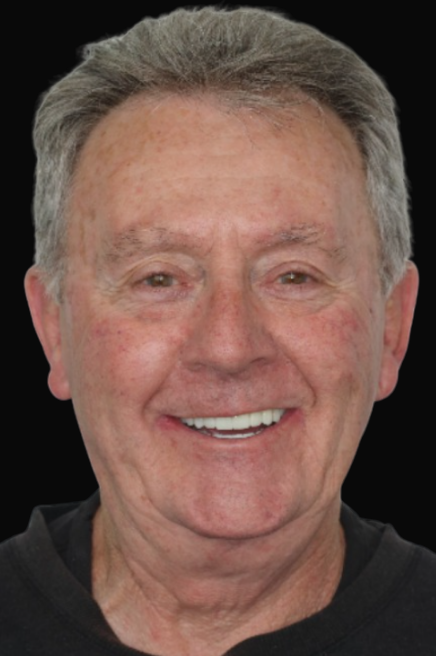
Treatment completed by Dr Reza Zamani – DEN0001048905
Before
After
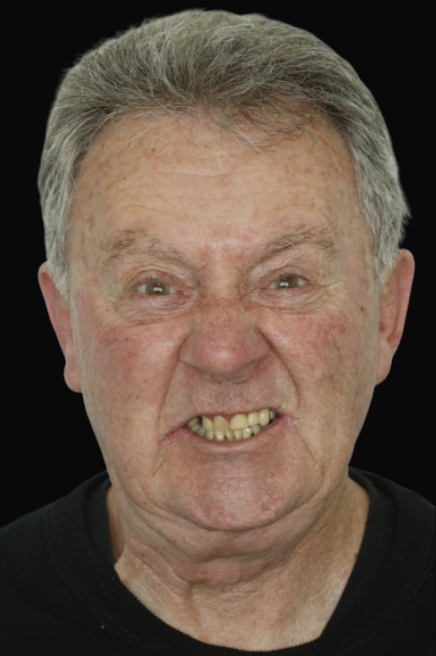
Dental Implants & Bridges
Treatment completed by Dr Reg De Sousa – DEN0001013154
Individual results vary. These images represent outcomes achieved by the treating practitioner and may not reflect typical results. Suitability for treatment is determined at a clinical consultation.
An implant-supported restoration may help with chewing, speech or stability in suitable patients. The extent of improvement varies. Other options may include a bridge, removable denture or leaving a space where clinically appropriate.
Replacing more than one tooth
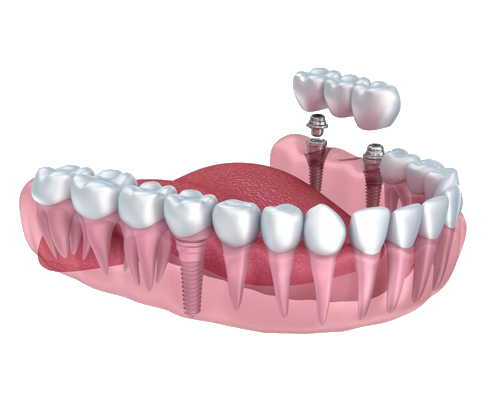
Implants can also support an implant bridge, where two or more implants hold a row of joined crowns, or a full denture held in place by implants.
For some patients missing a full arch of teeth, All-on-4 may be an option. It uses implants to support a fixed replacement arch. Suitability, risks, recovery and alternatives require individual assessment. Read about All-on-4 dental implants.
Can everyone have an implant?
No. Healthdirect explains that your dentist will check you have enough bone to hold the implant and that your gums are healthy, usually with X-rays. Gum disease (periodontitis), smoking, diabetes, and some other medical conditions and medicines can affect suitability, so tell your dentist your full medical history and the medicines you take.
What is involved in placing implants?
Here’s how dental implants in Armadale are usually planned and placed. Your own plan may differ.
1
Assessment and planning
Your teeth, gums, bone and medical history are assessed, and the stages are explained before consent.
2
Implant surgery
Implant placement involves surgery; grafting or other procedures may be needed.
3
Healing
Bone healing commonly takes months, and some patients need more than one surgical appointment.
4
Your replacement teeth
The final crown, bridge or denture is fitted when clinically appropriate. Further visits, adjustments or treatment may be required.
Treatment planning includes assessment of your teeth, gums, bone support and medical history. The stages and anaesthetic options will be explained before consent.
Bone healing commonly takes months. Some patients need more than one surgical appointment, and provisional teeth may be used while healing.
Risks and recovery
Dental implant treatment involves surgery. Risks include pain, swelling, bleeding, infection, nerve or sinus injury, failure to integrate with bone and later implant failure. Replacement teeth and components can wear, loosen or break. Initial recovery may affect eating and normal activities; bone healing and staged treatment commonly take months. Cleaning, reviews and future maintenance are needed. Read about implant risks and recovery.
How much do dental implants cost?
Explore indicative pricing for our most popular dental treatments. Download our price guide and, if you’d like, a member of our team can help you understand your options and answer any questions.
For indicative fees, see our Price Guide. Payment options are explained on our Payment Plans page.
Treatment is usually staged over several months. Bone healing commonly takes months, and the final crown, bridge or denture is fitted when clinically appropriate. Your dentist will explain your estimated stages.
healthdirect notes that implants are usually placed under local anaesthetic. The stages and anaesthetic options will be explained before consent. Pain, swelling and bruising can occur afterwards.
Yes. An implant may fail to integrate with the bone or fail later, and replacement teeth and components can wear, loosen or break. Cleaning, reviews and future maintenance are needed.
Book online or call (03) 9935 0993 to arrange an implant assessment. Your dentist will discuss suitability, surgical risks, alternatives, maintenance and costs before you decide.
Abella graduated from Griffith University on the Gold Coast with the Griffith Award for Academic Excellence (Top 5%). She aims to provide a considerate environment for patients with different dental experiences and concerns.
Before moving to Melbourne, Abella worked in private practice in Brisbane and the Sunshine Coast in Queensland, and as a dental volunteer for Brisbane Youth Services. She is also a current member of the Australian Dental Association, the Australian Society of Endodontology, the Australian & New Zealand Society of Paediatric Dentistry, and other various dental study clubs. Abella participates in continuing education and has interests in oral surgery, aesthetic dentistry and paediatric dentistry.
Outside of work, Abella enjoys reading fiction novels, cooking, socialising with friends, and attending yoga class. Languages Spoken:English, Vietnamese.
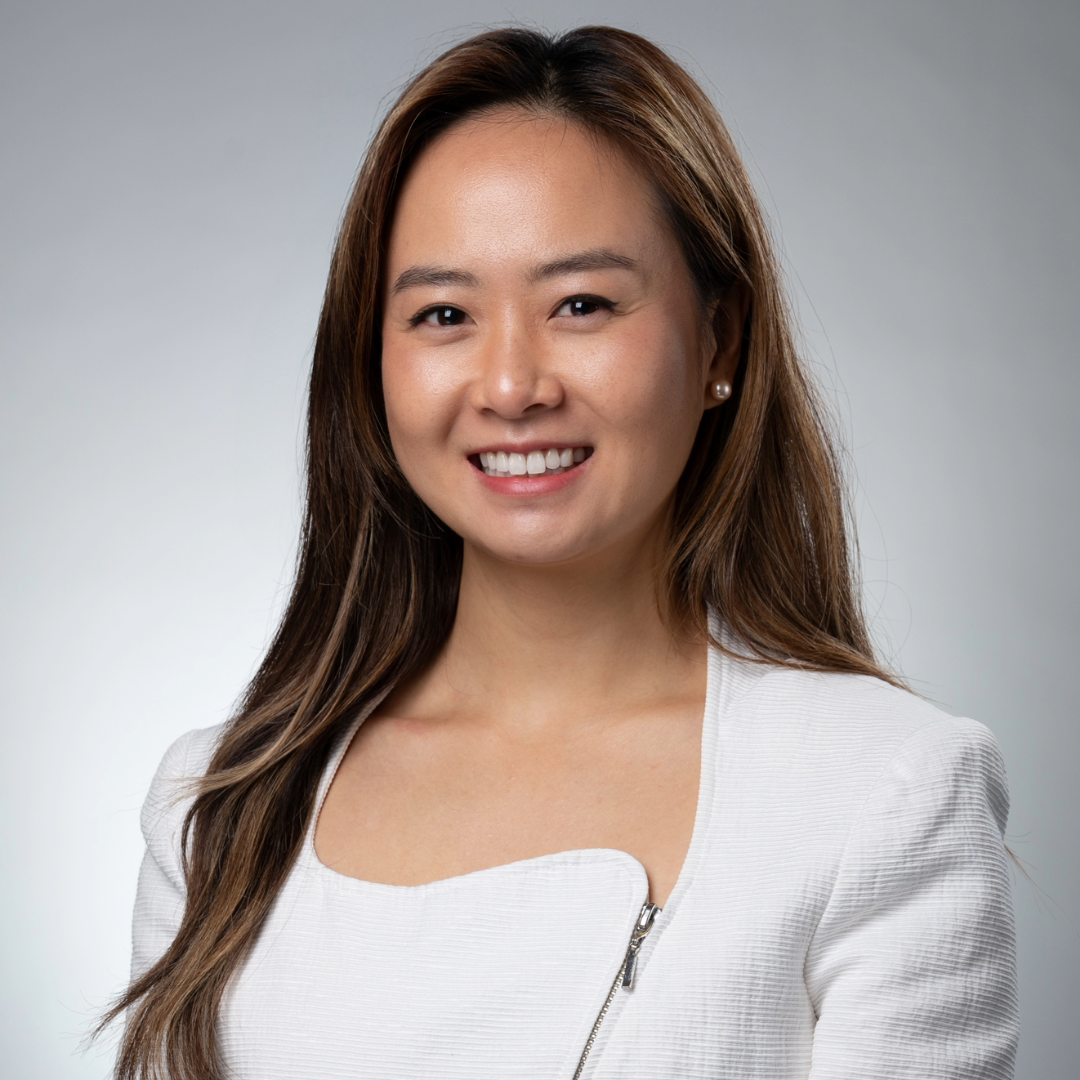
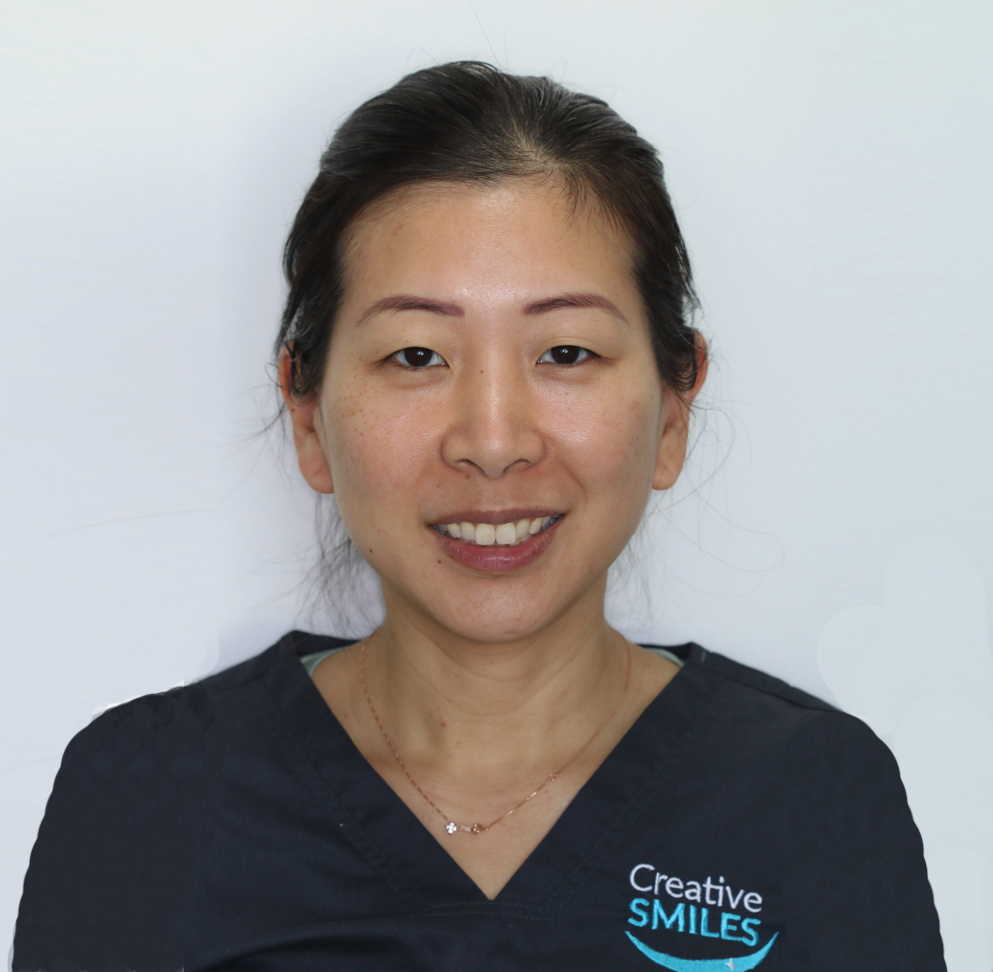
Dr. Esther Chin
Dental Surgeon
Dr Esther Chin is a general dentist with interests in crown and bridge treatment, clear aligners and general dental care. She discusses treatment options, suitability, risks and costs with patients.
Dr Esther speaks English and Mandarin.
Dr. Reza Zamani
Dental Surgeon
Reza graduated from Beheshti university Iran in 1990. After spending his first 9 years practising in Iran & running his own clinic him and his family decided to move to Australia in 2008.
Reza has been a part of the Creative smiles team since 2010.
Dr Zamani completed All-on-4 training at the Malo Clinic in Portugal in 2018. He provides implant and full-arch treatment following individual assessment. His interests include dental implants and full-arch restoration.
Languages Spoken:English, Farsi.
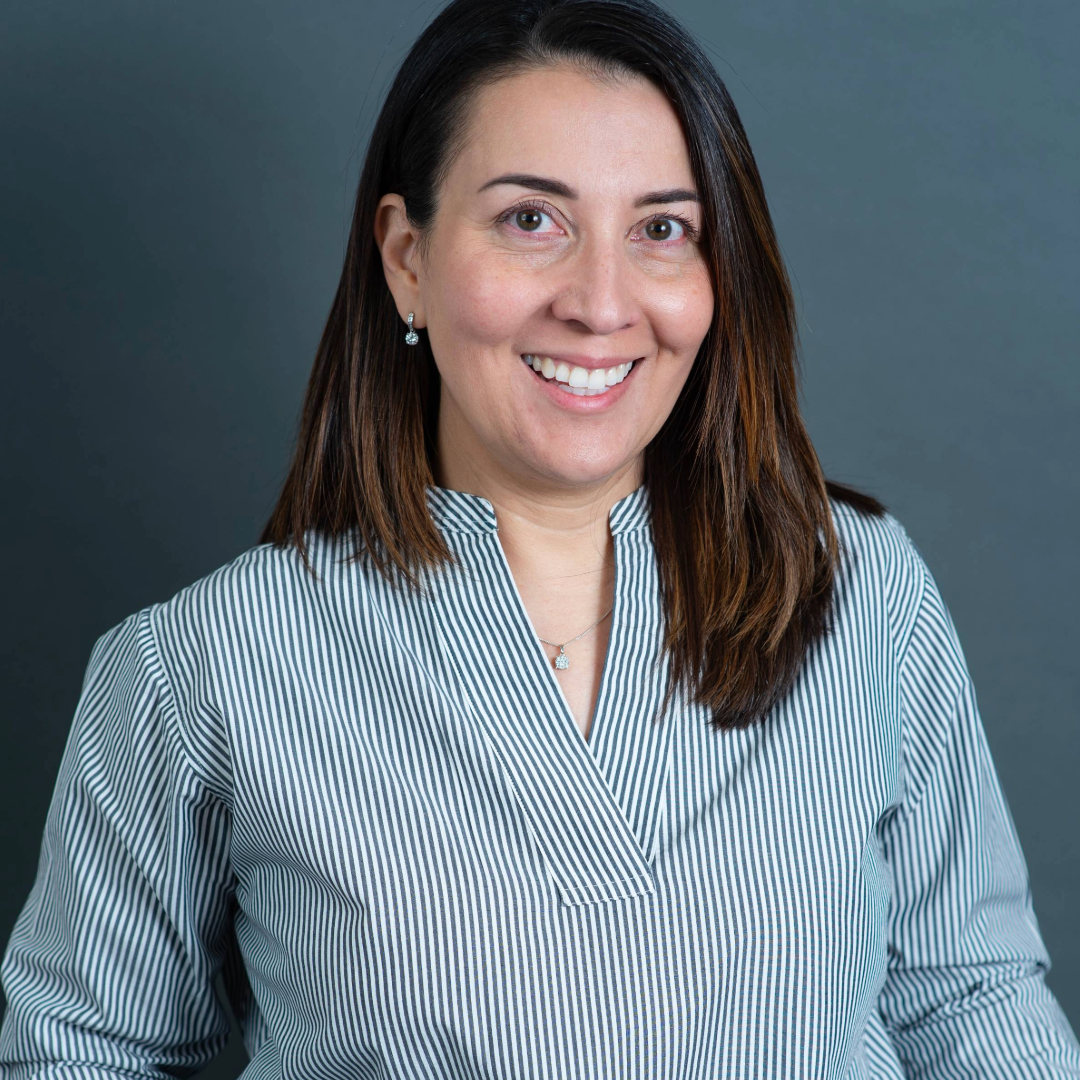
Dr. Claudia Braybon
Dental Surgeon
After completing her Bachelor of Dental Surgery in 1998, Dr Claudia Braybon has continued to grow and develop, completing further postgraduate studies in Oral Implants, Full mouth rehabilitation, Soft tissue management, Cosmetic Dentistry, Digital Smile Design and Digital Orthodontic treatments.
Dr Braybon participates in continuing education and has interests in restorative, orthodontic, implant and cosmetic dental care.
She discusses treatment options, expected benefits, limitations, risks and alternatives with patients so they can make an informed decision.
Dr Braybon is a member of the Australian Dental Association (ADA), International Team of Implantology (ITI), The Australian Prosthodontic Society (APS), Certified Invisalign provider and Digital Orthodontic College alumni.
Dr Braybon enjoys spending time with her family, travelling, playing tennis, dancing and a good laugh with her friends. Languages Spoken:English, Spanish.
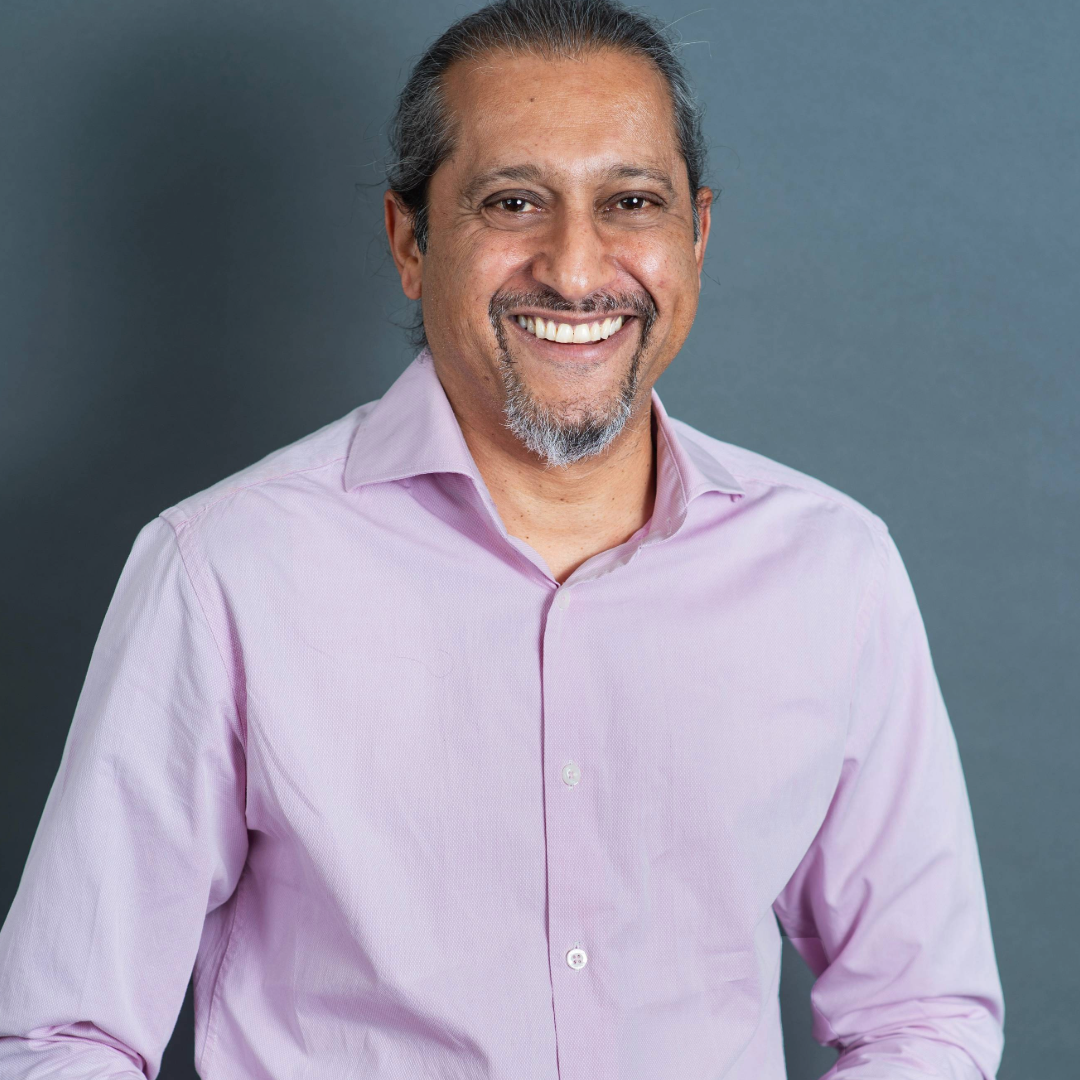
Dr. Reg De Sousa
Dental Surgeon
As the practice principal at creative smiles I am proud to lead the dedicated team of doctors, nurses and administrative staff at Creative Smiles.
I come from a family of dentists and so grew up around dentistry from a young age helping out whenever I could .Hence my passion for dentistry began at an early age and has grown over the last 30 years that I have been in practice.
I qualified as a dentist from the Royal London Hospital Medical College, (University of London) in 1994. On graduation I completed a years post graduate vocational training and then began working on the NHS for the next 12 years.
During this time I also branched out and opened a small private practice on London’s Harley Street which I had for 5 years until my departure to Melbourne.
While on Harley street, I developed my interest in implant dentistry, and studied for a year in 2007, under a clinical mentorship.
In 2010 I moved to Melbourne with my family and began working as a dentist at Creative Smiles, where I have further developed my skills in implantology and cosmetic dentistry and additionally completed the Invisalign and Spark training.
I have also completed the All-On-4 training at the Malo Clinic in Lisbon, Portugal, where the concept was created, enabling me to offer this treatment concept in addition to the more traditional approach to fixed and removable prosthetic oral rehabilitation to our patients at Creative smiles.